
Plan Meals, Shrink Waste: A Week That Skips Single-Use Packaging

Welcome! Today we dive into meal planning that cuts single-use packaging from your weekly shop, showing practical steps, honest pitfalls, and joyful wins. Expect flexible menus, bulk-smart lists, reusable prep, and stories from real kitchens reshaping habits without sacrificing flavor, time, or budget. Join our community, ask questions, share photos of your clever swaps, and subscribe for weekly ideas that keep momentum strong and meals delicious.

Start with a Pantry Reality Check

Before writing a single list, look at what you already have, what goes stale, and what always gets used up first. A ten-minute audit reveals habits that quietly invite single-use packaging. This simple reset helps you shop less, plan smarter, and match meals to the foods your household truly loves, while building confidence that small changes compound into meaningful, planet-friendly results everyone can feel good about.

Map Your Staples

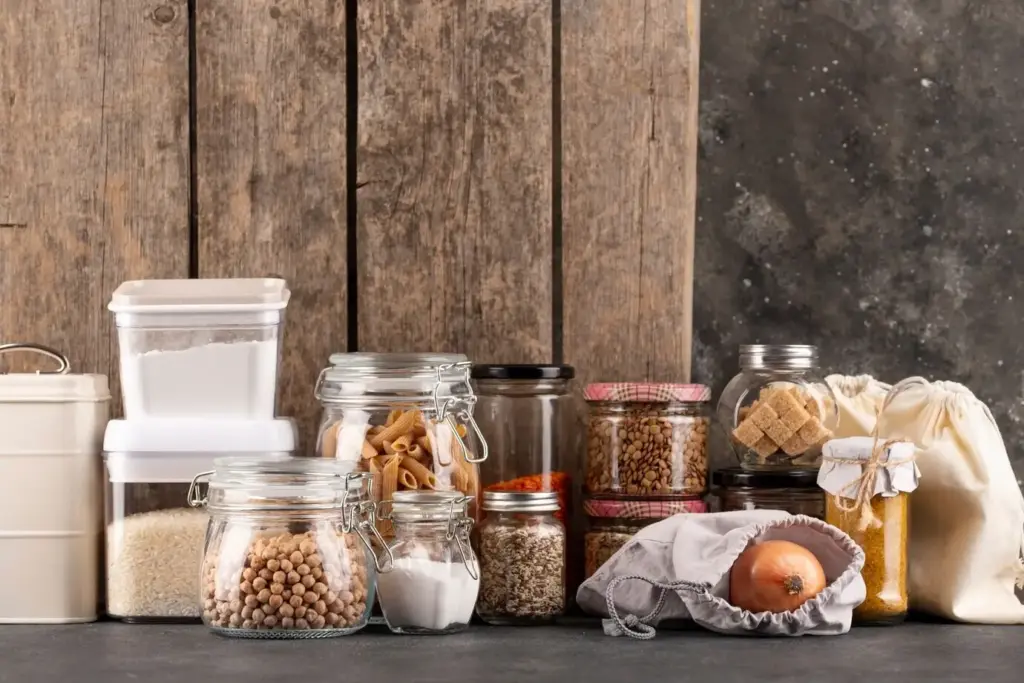
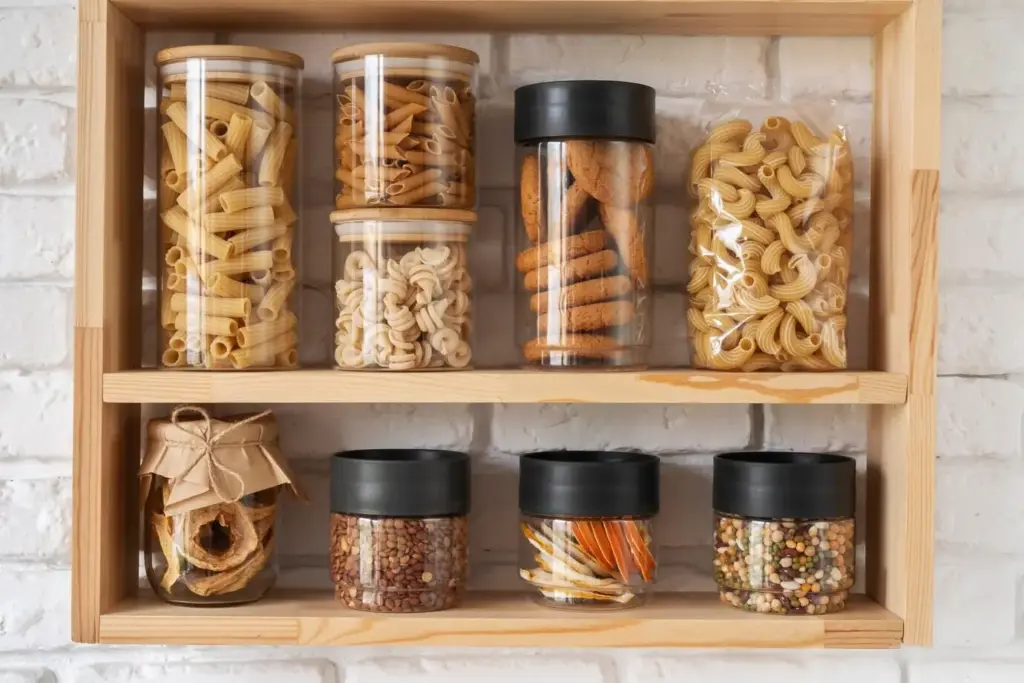
Open every cupboard and group foods by frequency of use, noting which ones you can easily source from bulk bins or refilleries. If pasta, oats, or rice disappear quickly, design your week around them using reusable containers. A reader named Lina did this, then shifted to glass jars and cloth bags, and cut her packaging trash by half within a month without spending more money or time.

Set a Flexible Weekly Framework

Create a lightweight structure such as pasta night, grain bowls, soup, quick tacos, and a leftover remix day. This encourages repeatable ingredients that you can buy loose or in bulk, while keeping dinners varied. Flexibility protects you from last-minute plastic-wrapped snacks or takeout. When schedules change, swap nights instead of abandoning the plan, and your reusables still match what you actually cook during busy stretches.

Portion to Match Reusable Containers

Choose container sizes first, then size recipes accordingly so food fits into jars, tins, or stackable boxes you already own. This trick reduces impulse packaging because prepared portions are ready to grab. It also lowers food waste by preventing forgotten items lost in the fridge. Simple labels with dates, portions, and meal purpose keep you on track and make midweek decisions wonderfully effortless.

Produce Without Plastic

Choose whole vegetables and fruits instead of pre-cut trays, and bring mesh produce bags for leafy greens, mushrooms, and apples. Plan meals that use entire bunches—stems, leaves, and all—so nothing languishes. For example, roast carrots for dinner, then chop tops into a pesto for grain bowls. By designing meals around whole produce, you naturally avoid extra wrappers and gain fresher texture, brighter flavor, and better nutrition.

Bulk Bin Strategy

Call ahead or check store maps to see which items are available in bulk. Build meals from those staples: oats for breakfasts, lentils and beans for hearty bowls, spices for vibrant sauces. Pack clean containers, pre-weigh them, and keep tare weights on masking tape. If an item is out, switch to a similar bulk ingredient and adapt the recipe. This nimble approach keeps packaging low while preserving taste.

Prep and Store the Reusable Way

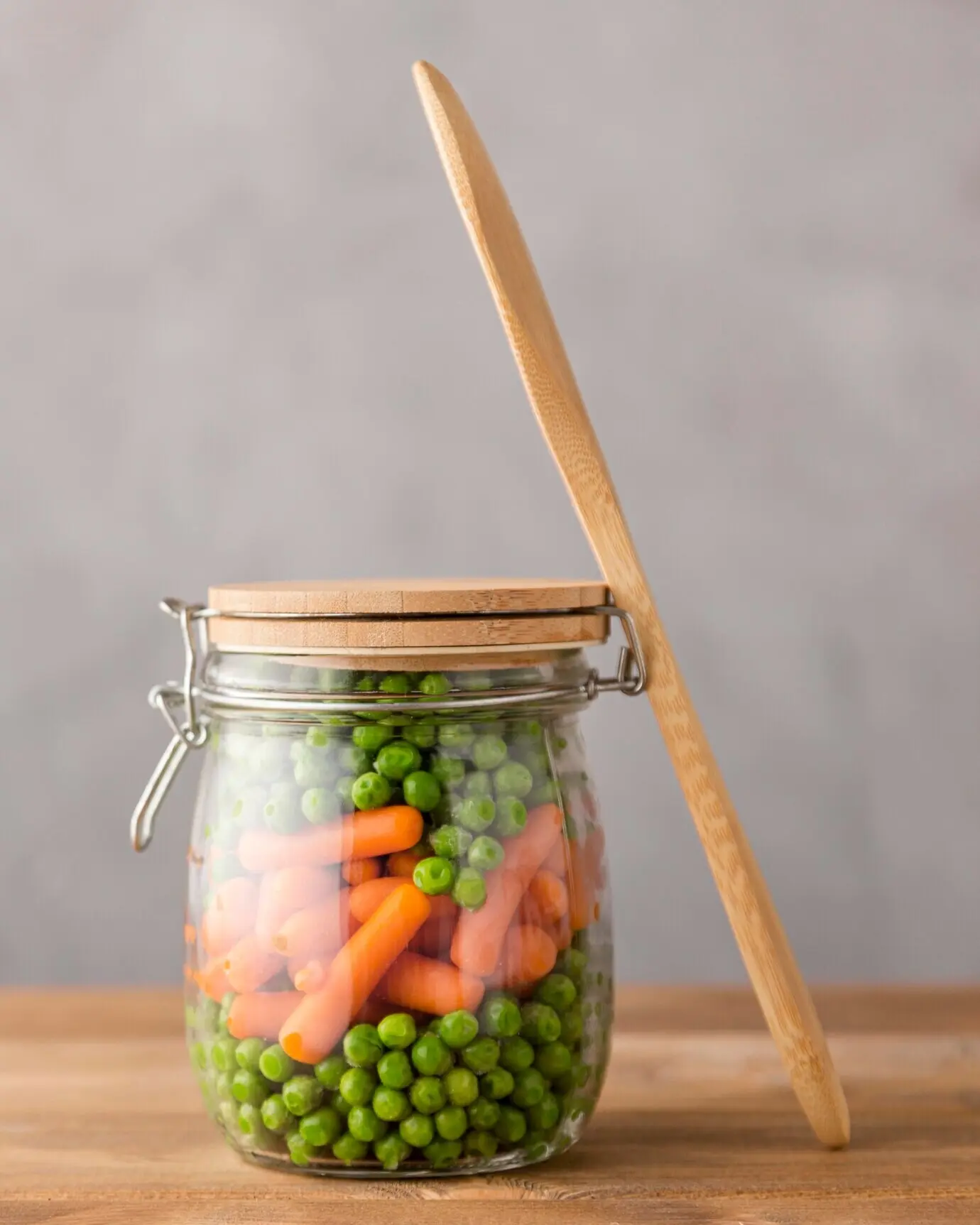
A little upfront prep unlocks a whole week of low-packaging convenience. Wash greens, cook grains, and portion sauces into jars that stack. Visible, labeled food reduces emergency packaged buys. When ingredients are ready, you can skip wrapped snacks and fast takeout traps. Treat your containers like a toolkit: they make it easy to commit to nourishing choices without the landfill guilt that often follows busy nights.

Cook Once, Eat Thrice

Design dinners that morph into lunch and a new dinner with minimal effort. A pot of beans becomes tacos, then a salad topping. Roast vegetables join pasta, then frittata. This practical rhythm reduces shopping trips and packaging exposure. It also builds flavor familiarity across the week while sparing time and money. With a few anchor ingredients, your kitchen feels abundant, and decisions become pleasantly simple.

Farmers’ Market Game Plan

Walk the market once before buying, spotting stalls that offer loose produce or returnable egg cartons. Bring a few rigid containers for berries and delicate greens, plus a bread bag for loaves. Ask growers about storage tips so purchases last all week. Planning meals directly from what you see keeps packaging low and ensures everything you buy has a delicious, intentional destination in your upcoming dinners.

CSA and Veg Boxes with Less Packaging

When choosing a CSA or veg box, ask about minimal packaging policies and reusable crates. Plan your weekly meals after the pickup email arrives, building recipes around confirmed items. Batch-wash and prep produce the same day to prevent food waste. Share extra herbs with neighbors or swap for items you need. By letting the box guide your menu, you reduce impulse buys and unnecessary packaged fillers.

When Supermarkets Are Your Only Option

Shop the perimeter first for loose produce, then visit bulk or refill aisles if available. Choose glass or metal when packaging is unavoidable, as these are widely recyclable. Lean on versatile ingredients that stretch across multiple meals. Keep your container kit in the car for bakery counters or salad bars that accommodate reusables. Even in conventional stores, thoughtful planning slashes waste without sacrificing flavor or convenience.

Seasonal Choices and Local Sources

Meals shaped by the season often require less packaging because produce arrives fresher and simpler. Build your week around what’s abundant locally—think loose tomatoes in summer, sturdy root vegetables in winter. Pair seasonal stars with bulk staples and you’ll craft satisfying menus without extra wrappers. This mindset strengthens community connections, supports small producers, and brings vibrant flavors home while shrinking both waste and food miles thoughtfully.

Budget, Time, and Real-Life Flexibility

Cutting packaging should save money and stress, not add them. Focus on staples, fewer impulse snacks, and overlapping ingredients. Batch-cook on your least busy day, then relax midweek. Build backup plans for chaotic evenings so you skip wrapped emergency options. Tiny wins matter: a jarred dressing, a bulk-bought grain, or a prepared veg drawer. Over months, these choices compound into noticeable savings and calmer routines.

Cost Savings That Add Up

Track a month of groceries to compare per-serving costs of bulk items against individually packaged equivalents. Many households see significant savings on grains, legumes, nuts, and spices. Redirect part of the savings toward a durable container or two. By paying once for reusables and skipping incremental packaging, your budget breathes easier. The numbers tell a reassuring story that strengthens motivation when schedules become demanding.
Time Blocks and Sunday Prep

Choose one ninety-minute block to wash greens, cook a grain, roast vegetables, and blend a sauce. Store everything visibly. This single ritual removes decision fatigue and makes midweek dinners practically assemble-only. A well-prepped fridge eliminates reliance on ultra-packaged convenience foods. Keep the playlist upbeat, involve a helper if possible, and treat prep like a weekly celebration of care that future-you will appreciate deeply.

Grace for Busy Weeks

Life happens. Keep a few low-waste lifelines: frozen homemade soup, pre-cooked beans, and shelf-stable bulk pasta. If you need packaged items occasionally, choose recyclable options and move on without guilt. The goal is direction, not perfection. Reflect briefly on what helped and what hindered, then adjust next week’s plan. Compassion fuels consistency, and consistency delivers the long-term impact you want for your home and planet.
Family Buy-In Without Battles

Invite conversation rather than declaring new rules. Offer two meal choices that use the same bulk ingredients, and let kids pick. Create a running list of favorite low-waste dinners on the fridge. Celebrate experiments, not just outcomes. When participation feels collaborative, everyone becomes more invested, and resistance fades. Over time, shared rituals—like washing market greens together—turn into meaningful family moments that happen to reduce trash significantly.

Neighborhood Swaps and Refills

Post in local groups about sharing surplus produce, trading jars, or coordinating refillery runs. A rotating bulk-buy club can split large quantities, lowering cost and packaging for everyone. Keep it simple and friendly, with clear expectations on cleanliness and timing. These small networks transform isolated efforts into a collective advantage, making sustainable choices more convenient, affordable, and enjoyable week after week in real neighborhoods.

Share Your Wins and Learnings

Tell us about the meal that surprised you, the store that welcomed your containers, or the trick that finally stopped snack wrappers from piling up. Photos, quick notes, and honest reflections help others see what’s possible. Comment below, ask questions, and subscribe to keep momentum. Your story might be the nudge that helps a neighbor start, shaping a ripple of change larger than any single kitchen.

Kuvuxoxomovalevi
Privacy Overview

This website uses cookies so that we can provide you with the best user experience possible. Cookie information is stored in your browser and performs functions such as recognising you when you return to our website and helping our team to understand which sections of the website you find most interesting and useful.