Freshness, Unwrapped
Farmers’ Market Strategy
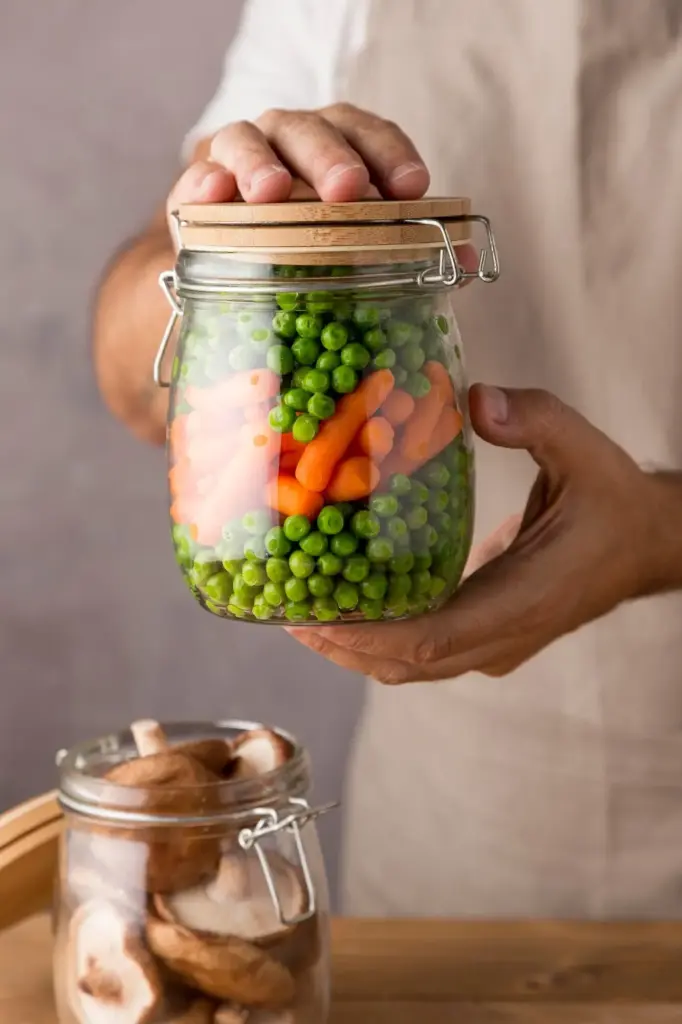
Arrive early for crisp greens, late for bargains, and bring lightweight mesh bags or a basket to avoid default plastic. Ask growers how items were picked and stored; their tips beat labels. Taste in-season samples, plan meals around what truly shines, and skip multiples if you cannot finish them fresh.
Reading Ripeness Without Stickers
Judge ripeness through smell, firmness, and appearance: peaches should yield slightly, pineapples scent sweet at the base, and grapes show a powdery bloom. Lift with care, avoid squeezing bruises, and trust weight for juiciness. These senses replace barcodes while protecting delicate, unpackaged produce from unnecessary damage.
Talking With Grocers
Politely ask staff to weigh produce without bags or to tare your reusable, then share why it matters: freshness, flavor, and less waste. Many stores will accommodate requests or offer paper. Appreciation and consistency build relationships that gently nudge entire displays away from plastic-heavy defaults.
Home Storage That Breathes
Leafy Greens, Crisp and Lively
Spin greens dry, tuck them in a breathable container lined with a slightly damp tea towel, and keep in the high‑humidity drawer. For bunched herbs, trim stems and stand them in a jar of water with a loose cover. Airflow plus moisture balance keeps leaves perky for days.
Berries and Mushrooms, Gently Handled
Hold off washing until just before eating. Store berries in a shallow glass dish lined with paper or a clean cloth, lid slightly ajar for airflow. Keep mushrooms in a paper bag in the fridge. Both dislike trapped moisture, which invites spoilage long before flavor peaks.
Roots, Alliums, and Tubers
Potatoes and onions prefer cool darkness but should live apart, since onions hasten sprouting. Carrots keep best trimmed and tucked into a covered container with a splash of water. Garlic, winter squash, and beets store at room temperature, clean and dry, away from ripening fruit.
Ethylene, Humidity, and the Science of Ripening
The Apple–Banana Effect
Apples and bananas are prolific ethylene producers; place them near avocados when you want guacamole tomorrow, not next week. When ripeness is perfect, move them away from greens and cucumbers. Without plastic barriers, thoughtful placement becomes your gentle, adjustable switch for flavor and texture.
Avocados on Your Schedule
To hasten ripening, tuck avocados in a paper bag with an apple, then check daily. To slow, refrigerate once they yield slightly. Avoid sealed plastic that traps moisture and off‑odors. Your counter, crisper, and patience create predictable results with minimal waste and maximum creaminess.
Citrus, Cucumbers, and Tomatoes
Citrus stores well chilled or on the counter for a few days; cucumbers prefer slightly warmer, consistent temperatures; tomatoes dislike the fridge until fully ripe. Group thoughtfully, ensure airflow, and skip liners. Gentle handling preserves thin skins and the fragrant, sun-warmed character of unpackaged produce.
Wash, Prep, and Batch With Intention
Shopping Habits That Shift Systems
Use‑It‑Up Magic and Waste‑Free Flavor
All Rights Reserved.