Decode the Label: Choose Products with Less Plastic

From “recyclable” logos to “compostable” promises, packaging language can confuse even the most careful shopper. Today we decode those claims to find products with minimal plastic, spotlighting materials, certifications, and real-world tactics so your cart reflects your values without guesswork or greenwash. We’ll share field-tested checks and reader stories that turn label mysteries into confident, lower-waste choices, helping you navigate store aisles and online listings with clarity and purpose.

Recyclable vs Recycled Content

A package can display the Mobius loop and still be hard to recycle locally due to size, color, adhesives, or multilayer construction. “Recyclable” means it could be processed somewhere, not necessarily where you live. “Recycled content,” especially post-consumer, indicates material already diverted from waste streams. Prioritize high post-consumer percentages and simple, mono-material designs over theoretical recyclability that rarely translates into actual recovery.

Compostable and Biodegradable Nuances

“Biodegradable” lacks a universal timeline and environment, often allowing plastic fragments to persist. Industrially “compostable” items require specific facilities and temperatures, which many municipalities lack. Look for validated certifications and consider whether the item will realistically reach a composting facility. Home-compostable certifications offer clearer guidance for backyard systems, but always verify thickness, additives, and real end-of-life handling in your region before trusting a cute leaf icon.

Biobased and Plant-Derived Plastics

Biobased does not automatically mean plastic-free or compostable. Some plant-derived plastics mimic conventional plastics at end-of-life, persisting in recycling or landfill streams. PLA can contaminate PET recycling, and bio-PE behaves much like fossil PE. Seek clear guidance on disposal, understand the difference between feedstock origin and degradability, and prioritize truly plastic-minimizing alternatives like glass, metal, and uncoated paper when performance and safety allow.

Materials That Actually Reduce Plastic Footprints
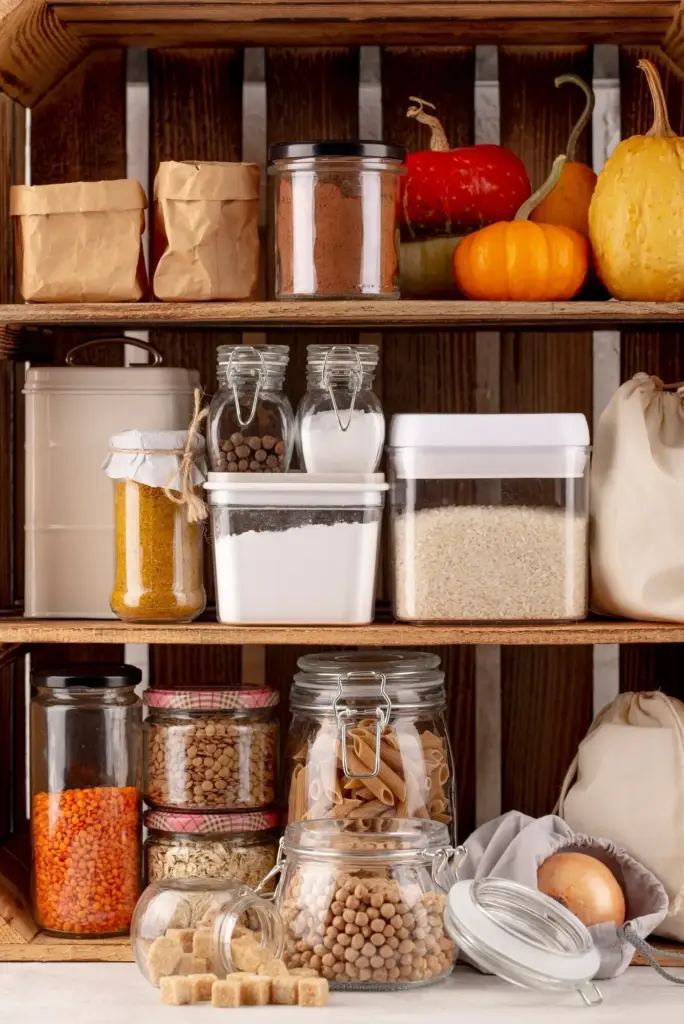
Not all substitutions are equal. Durable, widely recycled materials with high-value recovery can dramatically reduce plastic reliance, while certain paper or biobased options still hide polymer linings or laminates. By understanding the strengths, trade-offs, and design details of each material, you can choose packaging that genuinely minimizes plastic without sacrificing safety, freshness, or practicality.

Glass and Aluminum: Durable, Circular, Honest
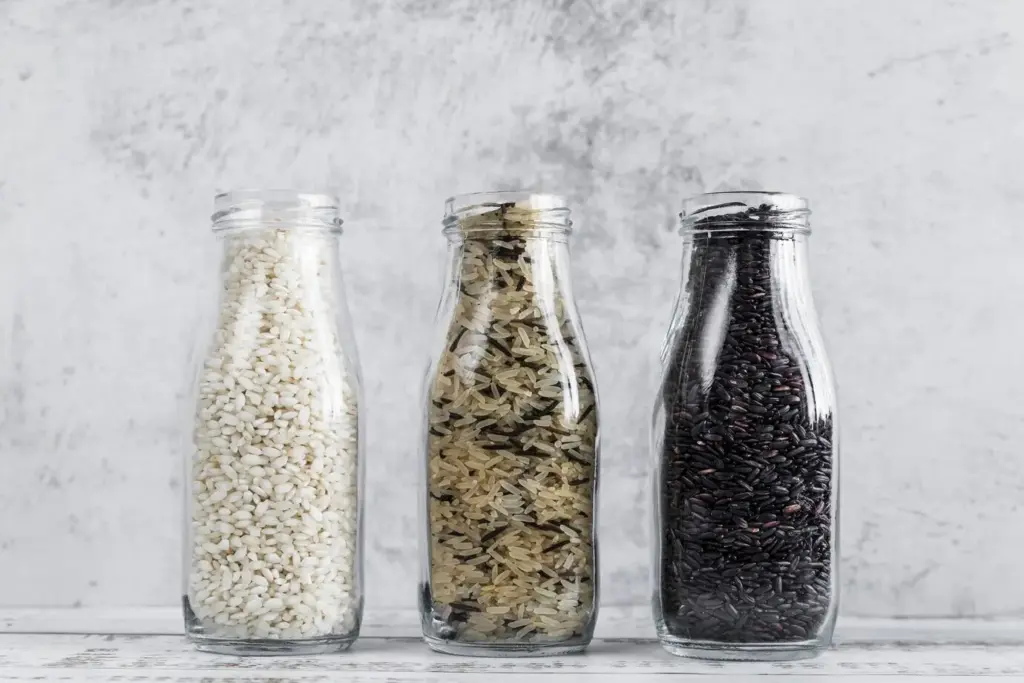
Glass and aluminum boast strong, often local recycling markets and stable material value, supporting real circularity. Watch for plastic lids, liners, or seals, which can sneak plastic into otherwise low-plastic choices. Consider weight for shipping emissions, but also evaluate refill potential and deposit programs. When combined with reusable systems and simple closure designs, these materials frequently deliver dependable performance and truly minimal plastic footprints.

Paper, Cardboard, and Coatings

Paper can be fantastic, but coatings matter. Polyethylene or acrylic linings, plastic windows, and grease-resistant treatments can undermine recyclability and add hidden polymers. Favor plain cardboard or paperboard with minimal inks, avoid mixed-material laminates, and check whether cups, pouches, or cartons rely on composite layers. When moisture resistance is needed, look for transparent disclosures about coatings and proven curbside acceptability in your area.

Refillables, Concentrates, and Bulk

Buying refills, concentrates, and bulk reduces total packaging mass and plastic content. Tablets, bars, and powders often ship in small paper packs or tins. Refill stations cut repeated primary packaging entirely. Verify whether refill pouches contain plastic films and seek take-back or drop-off programs. Track how long refills last compared to conventional products, and choose dispensers designed to work with durable, low-plastic containers you can keep using.

Symbols, Certifications, and Red Flags
Icons and seals should help, not mislead. Learn which marks offer verified standards and which function as marketing flair. Watch for inflated recyclability claims, unverified compostability promises, and offset labels that emphasize accounting instead of actual packaging reduction. With sharper label literacy, you’ll spot strong signals quickly and avoid packaging that only looks sustainable from arm’s length.

In-Store and Online Tactics That Work

Decision-making improves with quick tests and thoughtful questions. In aisles, examine closures, linings, windows, and seals; online, scrutinize product photos, Q&A, and spec sheets. Compare options across brands and pack sizes, then factor in refills and durability. Those small checks transform uncertainty into confident, plastic-light picks that fit your budget and daily routines.

Feel, Sound, and Light Tests in the Aisle

Gently tap packaging: crinkly sounds often signal plastic films; translucent windows can hide mixed laminates. Hold to the light to spot coatings, inspect seams, and check under caps for liners or discs. Prefer sturdy paperboard without plastic windows, metal tins with simple seals, and glass containers with metal closures. When unsure, choose clearly labeled refill systems or straightforward, mono-material designs over gimmicky pouches.

Packaging Layers and Hidden Liners

Primary, secondary, and shipping layers can each introduce plastic. Multipack shrink-wrap, inner polybags, and foam inserts add hidden waste. Open boxes carefully to inspect liners, desiccants, and seals. Brands that proudly show the inside often have nothing to hide. Seek molded pulp trays, paper tape, and corrugated void fill. When layers seem excessive, contact customer support and request plastic-free alternatives or consolidated packaging.

Using Q&A, Reviews, and Seller Chats

Search product Q&A for terms like “liner,” “inner bag,” “coating,” “pouch,” “film,” “compostable,” and “recyclable.” Ask whether lids use pulp, metal, or plastic liners and if cartons contain polymer barriers. Reviews often reveal real-life unboxings and disposal outcomes. Screenshot confirmations, and politely request updated photos if listings seem outdated. Transparent sellers will share material breakdowns and welcome feedback pushing toward lower-plastic packaging choices.

Real Purchases, Real Lessons

Peanut Butter: The Lid, the Liner, the Seal

Glass jars look great, but check the lid: many use plastic liners or foam seals. Hunt for metal lids with pulp or cardboard liners, and avoid tamper bands made from PVC or polystyrene. Some brands now adopt paper-based safety seals or metal-capped jars without plastic discs. Email manufacturers for specifics, then champion those who respond with clear material disclosures and measurable reduction commitments.

Oral Care: From Tubes to Tins

Traditional toothpaste tubes are multilayer laminates that rarely recycle. Tooth tabs in tins or glass jars slash plastic dramatically, especially with refill pouches made from paper or compostable materials verified by robust standards. Check for plastic windows and adhesives. Pair with bamboo brushes featuring compostable bristles only when certified; otherwise, focus on long-lasting heads and minimal packaging. Track performance, taste, and dentist feedback to ensure lasting adoption.

Laundry: Heavy Jugs to Light Solutions

Concentrated strips, powders, or tablets in cardboard boxes reduce plastic and shipping emissions. Beware of inner film bags, spouts, or plastic scoops; many brands now include paper scoops or none at all. Evaluate washing performance in cold water, septic safety, and fragrance transparency. When liquids are necessary, seek high post-consumer content, lightweight designs, and refill stations. Celebrate every jug avoided as a meaningful, repeatable reduction.

Advocacy, Habits, and Accountability

Low-plastic living grows stronger when you ask better questions, track progress, and nudge brands toward transparency. With respectful persistence, you can unlock material details, encourage design shifts, and influence peers. Perfection isn’t required—steady, documented improvements compound into meaningful impact across your home, neighborhood, and favorite stores.

Share, Subscribe, and Crowdsource Better Packaging

Collective knowledge beats guesswork. By pooling label photos, material breakdowns, and store-specific experiences, we build a living guide to low-plastic choices that keeps pace with changing inventories. Subscribe to stay updated, and share your discoveries so others can skip hidden plastics and support brands that are genuinely improving.
Kuvuxoxomovalevi
Privacy Overview

This website uses cookies so that we can provide you with the best user experience possible. Cookie information is stored in your browser and performs functions such as recognising you when you return to our website and helping our team to understand which sections of the website you find most interesting and useful.