Fill Your Pantry, Not the Planet: Smarter Bulk Bin Shopping
Choose the Right Vessel for the Job
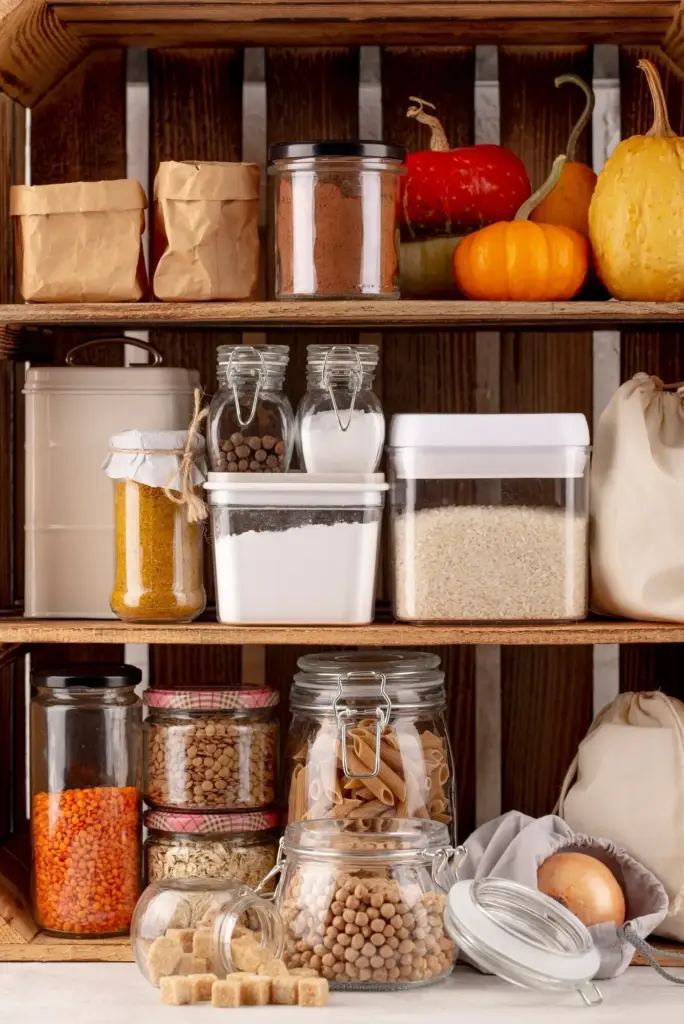
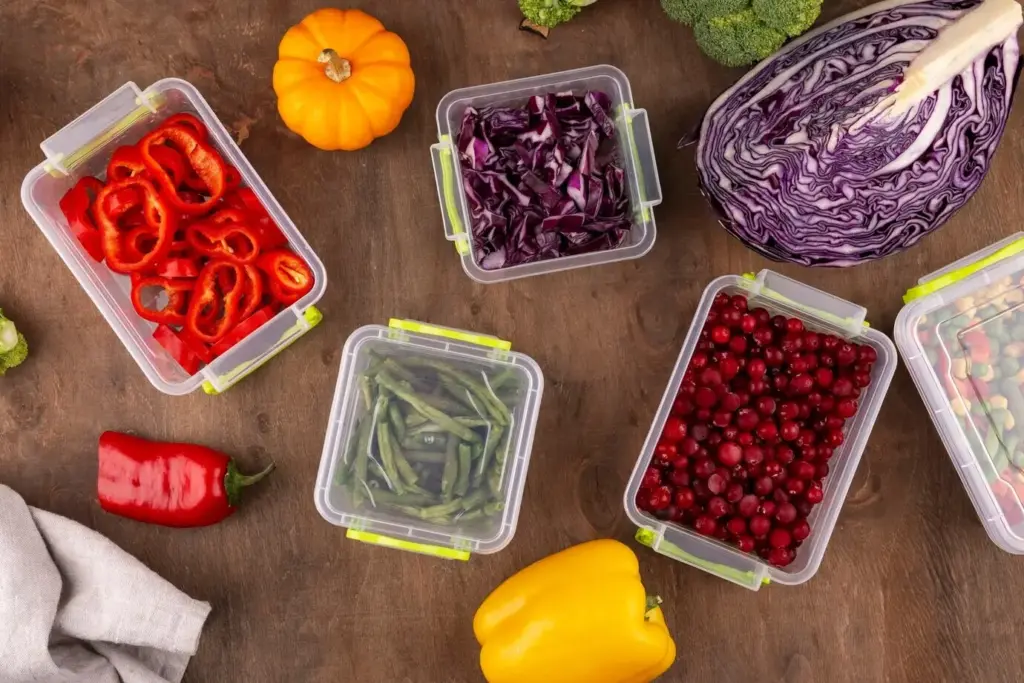
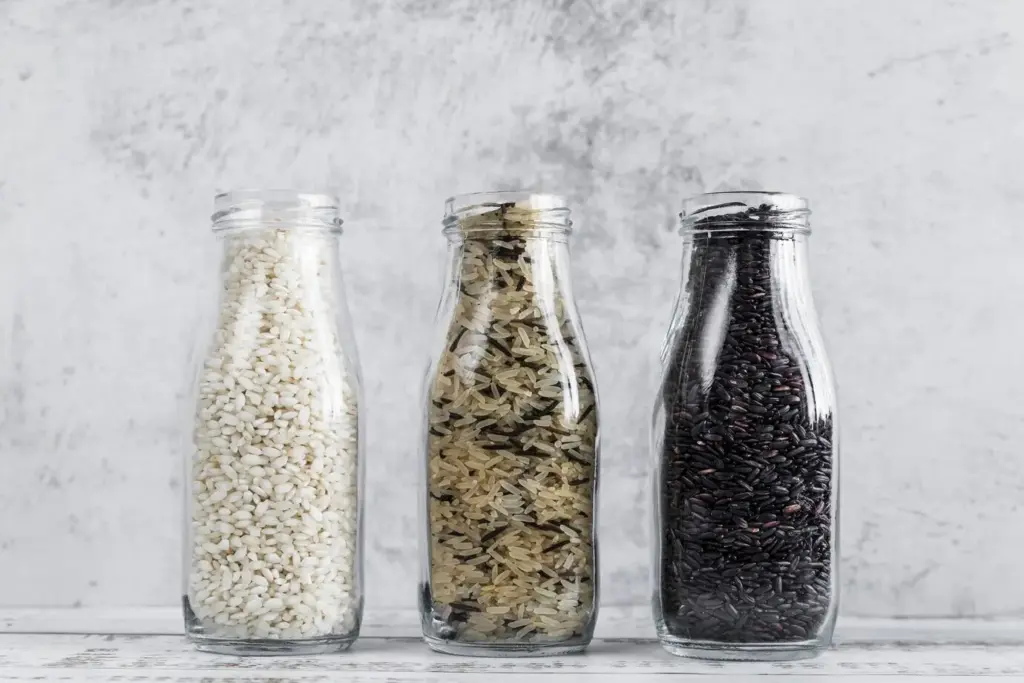
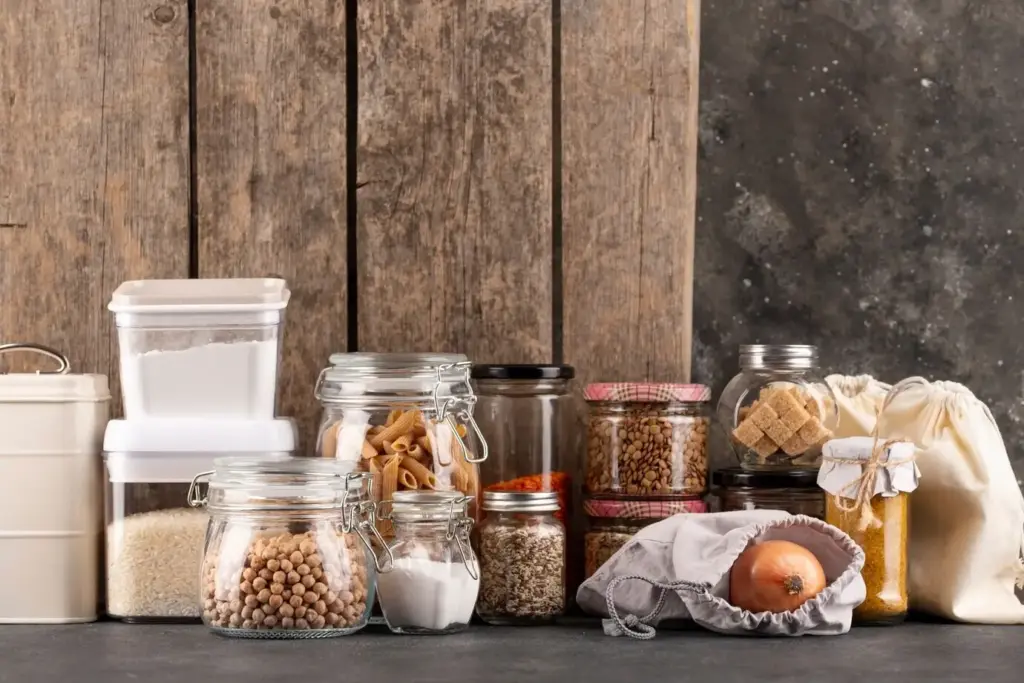
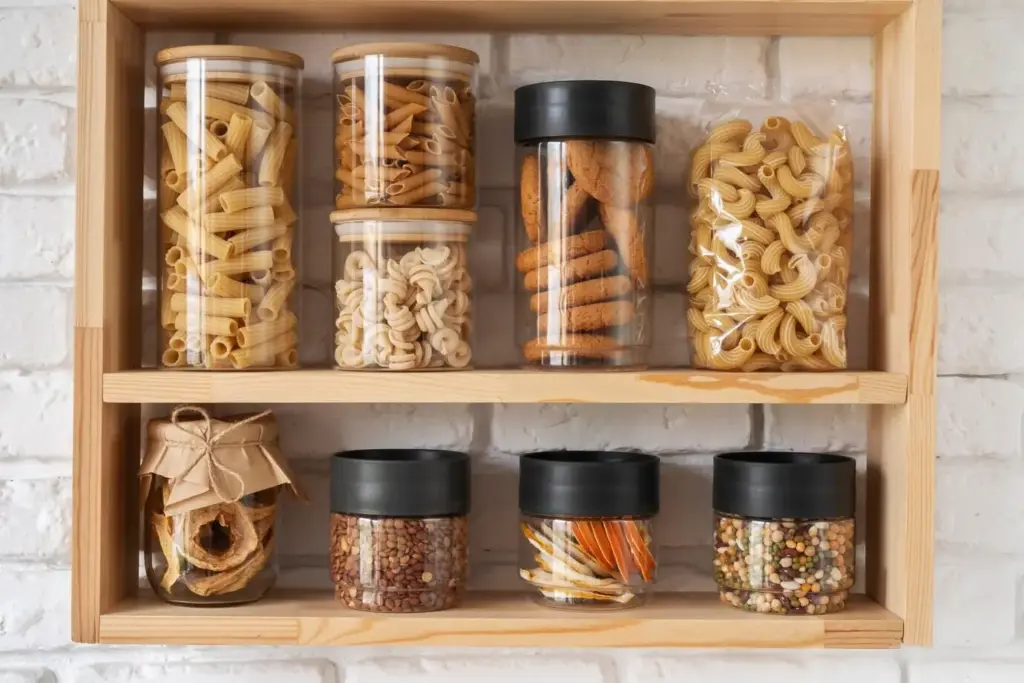
Grains and legumes prefer rigid glass for stacking and moth resistance. Spices stay potent in amber jars away from light. Sticky items fit silicone best. Bring a flexible variety, but keep weights reasonable so scales read accurately and your commute remains comfortable.
Label Like a Pro Without Sticky Waste
Use painter’s tape or reusable clip tags to note product name, PLU, and tare. Write clearly with wax pencil so labels wipe clean. Consistent labeling prevents mix-ups at checkout, helps storage rotation at home, and keeps jars useful for years.
Cleaning Routines That Keep Reusables Fresh
Rinse immediately after use, then wash with hot water and fragrance-free soap. Dry completely before sealing to prevent odors or mold. Once a month, inspect seals and lids, replacing worn parts. A simple routine keeps your refill gear safe, durable, and pleasant.
Planning and Portioning to Prevent Waste
Cost, Quality, and Safety in the Bins
Compare Unit Prices, Not Shelf Shine
Freshness Checks You Can Do Discreetly
When to Walk Away from a Bin
Community and Conversation at the Scoop Station
Ask, Share, and Advocate with Kindness
Organize a Refill Meetup or Jar Swap
Feedback That Leads to Better Systems
Pantry Zones and Light-Safe Storage
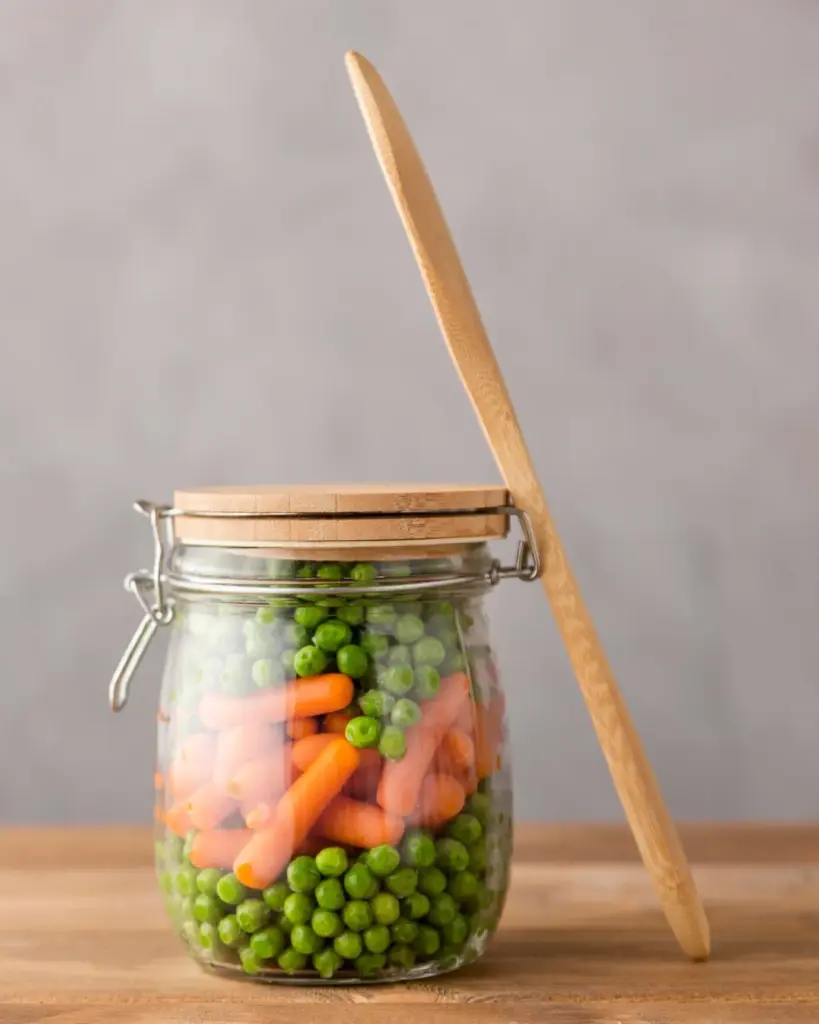
Create zones for grains, baking, snacks, and coffee. Use amber glass or dark cupboards for light-sensitive foods. Keep frequently used jars at eye level. A tidy system reduces lost items, discourages impulse packaged buys, and makes refilling a quick, satisfying routine.
Pest Prevention Without Plastic
Freeze flours or nuts for two days before decanting to stop eggs from hatching. Add bay leaves to jars of rice or legumes. Wipe shelves regularly. Simple, low-plastic practices preserve quality and stop frustration before it starts, season after season.
First-In, First-Out Made Simple
Write purchase dates on lids and store new refills behind older jars. Transparent containers make rotation easy. This small discipline minimizes waste, reduces emergency replacement shopping, and keeps meals tasting great with ingredients that are always within their peak window.
Track Your Wins and Keep the Momentum
All Rights Reserved.