Fill Your Pantry, Not the Planet: Smarter Bulk Bin Shopping
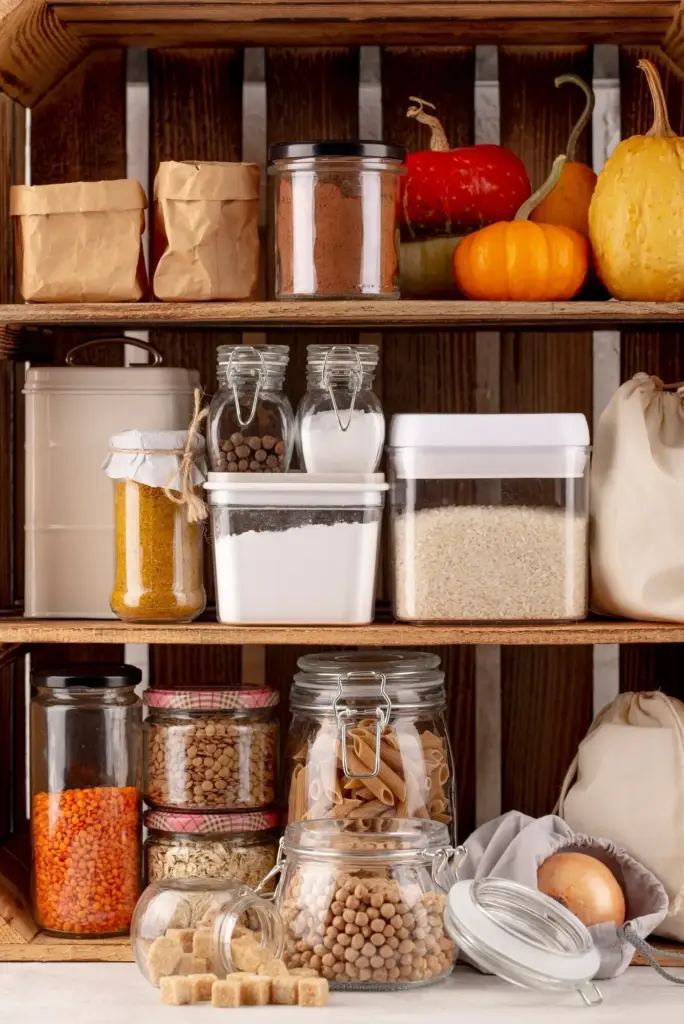
Today we dive into bulk bin shopping strategies to minimize plastic waste, translating the scoop-by-scoop experience into lasting, low-impact habits. You’ll learn how to plan portions, choose durable containers, read store policies, and store food safely at home, so every refill saves money, preserves freshness, and keeps unnecessary packaging out of your cart, cupboards, and community.

Know Your Store, Know Your Options

Choose the Right Vessel for the Job

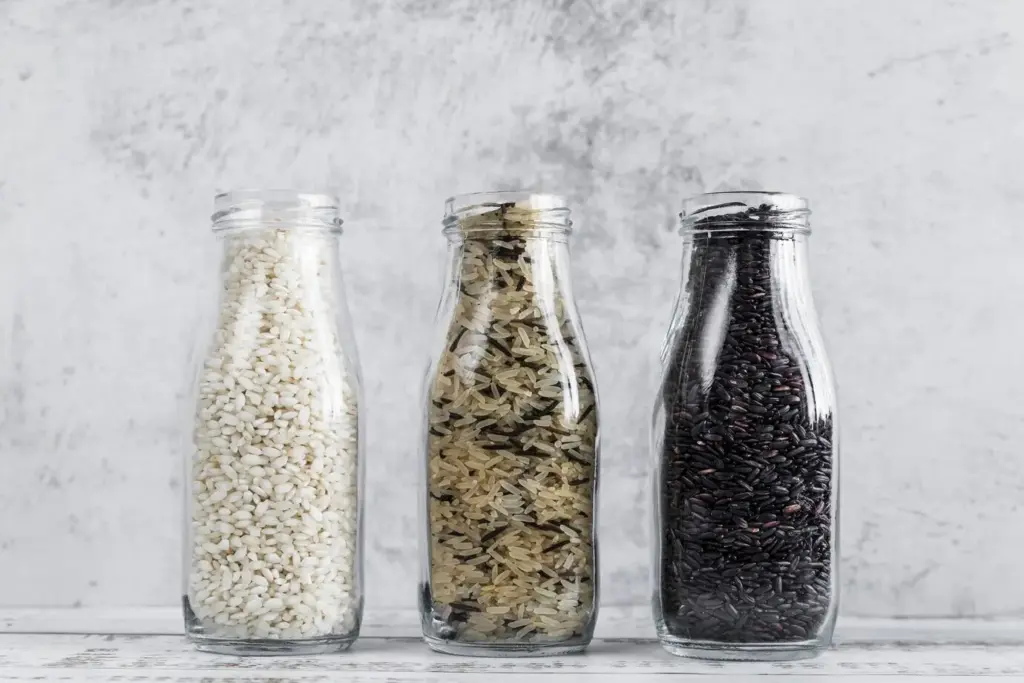
Grains and legumes prefer rigid glass for stacking and moth resistance. Spices stay potent in amber jars away from light. Sticky items fit silicone best. Bring a flexible variety, but keep weights reasonable so scales read accurately and your commute remains comfortable.

Label Like a Pro Without Sticky Waste

Use painter’s tape or reusable clip tags to note product name, PLU, and tare. Write clearly with wax pencil so labels wipe clean. Consistent labeling prevents mix-ups at checkout, helps storage rotation at home, and keeps jars useful for years.

Cleaning Routines That Keep Reusables Fresh

Rinse immediately after use, then wash with hot water and fragrance-free soap. Dry completely before sealing to prevent odors or mold. Once a month, inspect seals and lids, replacing worn parts. A simple routine keeps your refill gear safe, durable, and pleasant.

Planning and Portioning to Prevent Waste

Bulk is economical only when you buy what you actually use. Plan meals, check containers, and calculate storage space before shopping. Right-sized refills safeguard freshness, protect your budget, and ensure the goal—lower plastic and food waste—stays front and center.

Cost, Quality, and Safety in the Bins

Packaging often hides true value. Bulk lets you compare quality with your senses and price by weight, yet safety matters. Learn to evaluate turnover, cleanliness, and staff practices so savings never compromise freshness, flavor, or your confidence in refilling.

Compare Unit Prices, Not Shelf Shine

Bring a small calculator or use your phone to check price per gram or ounce. Compare against packaged equivalents of equal quality. Bulk is often cheaper, but not always; informed comparisons ensure you save money without defaulting to disposable packaging.

Freshness Checks You Can Do Discreetly
Look for clear turnover signs: full bins with dated labels, clean scoops, and minimal residue. For coffee or spices, aroma should be bright, never stale. If something seems off, ask staff about delivery schedules and choose another item with faster movement.

When to Walk Away from a Bin

If you notice cracked lids, mixed products, pests, or damp clumping, skip the bin entirely. Reducing plastic never justifies risking safety. Report issues kindly, purchase something else, and come back later when the system is restored to proper standards.

Community and Conversation at the Scoop Station

Ask, Share, and Advocate with Kindness

Introduce yourself, explain your reuse setup, and ask whether other containers are allowed. Offer a quick thank-you when staff supports your approach. Polite advocacy keeps doors open for progress and demonstrates that convenience and care can happily coexist around the bins.

Organize a Refill Meetup or Jar Swap

Invite neighbors to bring spare jars, labels, and funnels to a casual exchange. Share favorite recipes built from bulk staples. Community events turn abstract sustainability into social momentum, making refill habits fun, normal, and easier for newcomers who might feel unsure.

Feedback That Leads to Better Systems

Suggest clearer PLU signage, more gravity bins for fragile goods, or sanitizer stations near scoops. When you pair constructive feedback with thanks, managers hear commitment, not complaints, and are more likely to test changes that reduce plastic across the store.

Pantry Zones and Light-Safe Storage

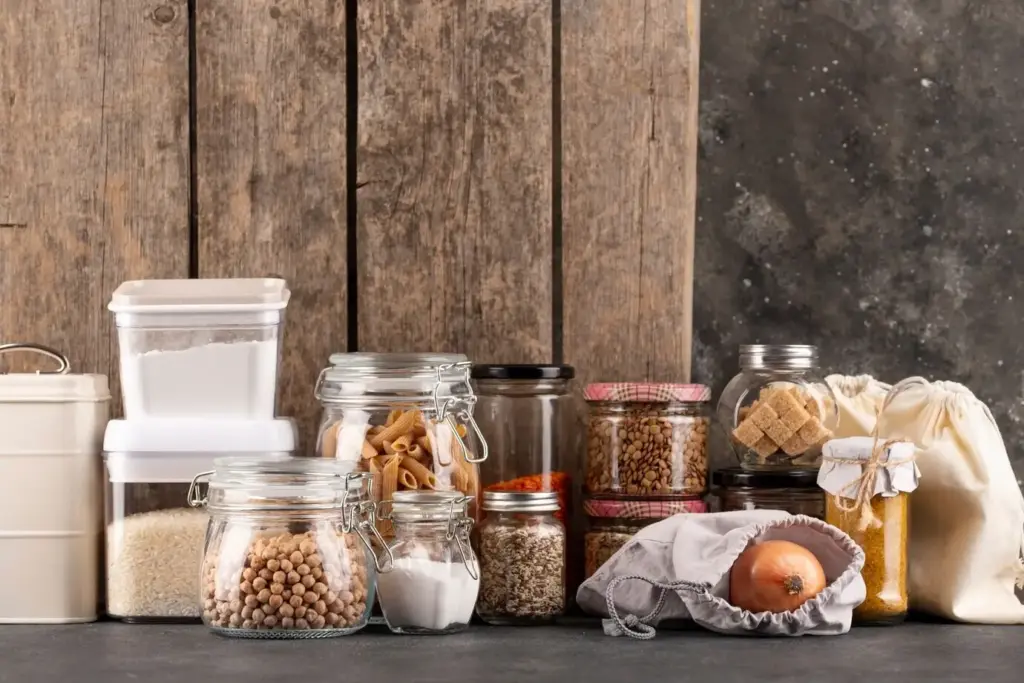
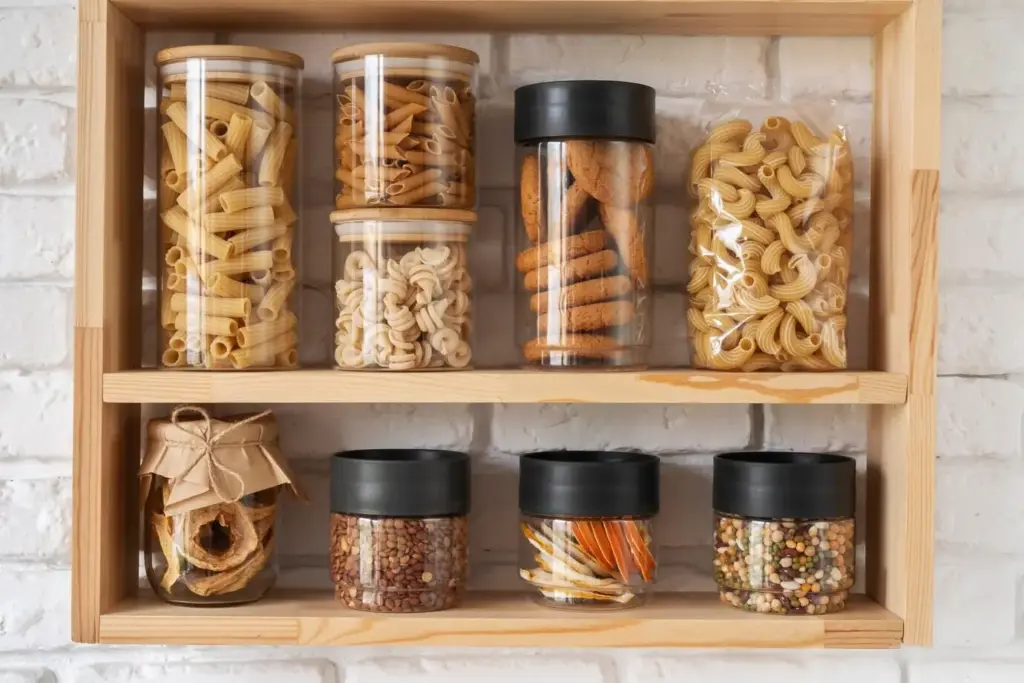
Create zones for grains, baking, snacks, and coffee. Use amber glass or dark cupboards for light-sensitive foods. Keep frequently used jars at eye level. A tidy system reduces lost items, discourages impulse packaged buys, and makes refilling a quick, satisfying routine.

Pest Prevention Without Plastic

Freeze flours or nuts for two days before decanting to stop eggs from hatching. Add bay leaves to jars of rice or legumes. Wipe shelves regularly. Simple, low-plastic practices preserve quality and stop frustration before it starts, season after season.

First-In, First-Out Made Simple

Write purchase dates on lids and store new refills behind older jars. Transparent containers make rotation easy. This small discipline minimizes waste, reduces emergency replacement shopping, and keeps meals tasting great with ingredients that are always within their peak window.

Track Your Wins and Keep the Momentum
Packaging consistently ranks among the largest sources of household plastic waste, but change compounds. Track your refills, money saved, and fewer disposables leaving your home. Celebrate progress, course-correct gently, and invite friends to join, multiplying impact through practical, repeatable actions.
Kuvuxoxomovalevi
Privacy Overview

This website uses cookies so that we can provide you with the best user experience possible. Cookie information is stored in your browser and performs functions such as recognising you when you return to our website and helping our team to understand which sections of the website you find most interesting and useful.